The Changing Landscape of Global Music
As we navigate through 2026, the music industry continues to evolve, reflecting a blend of cultures and styles from around the globe. The globalization of music is more pronounced than ever, with artists drawing influences from diverse genres and traditions. This article explores how this trend shapes the music we listen to, the artists we admire, and the cultural connections we forge.
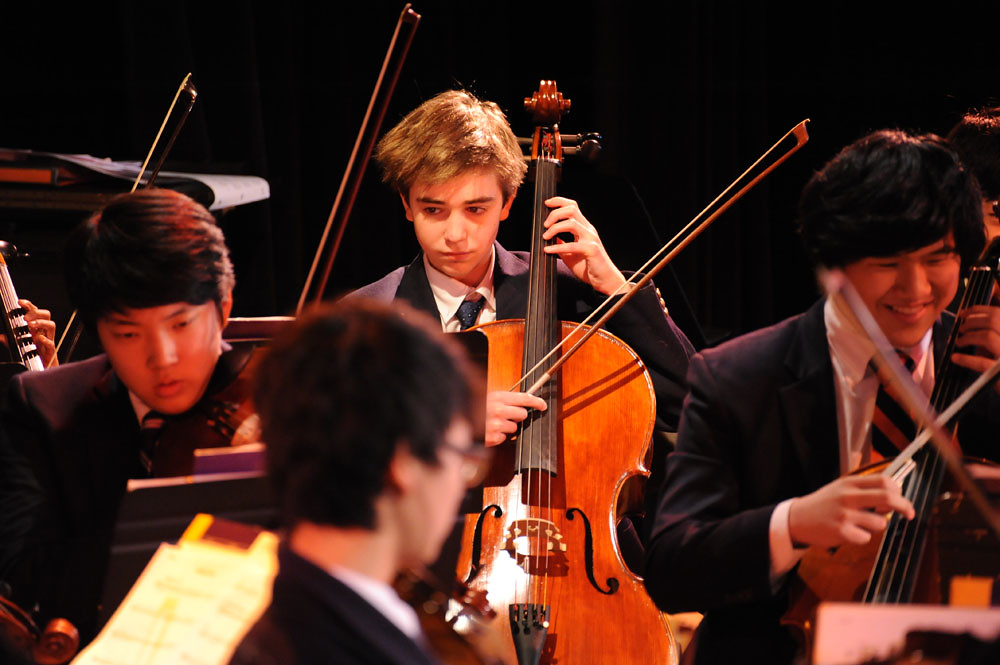
The Impact of Global Collaborations
One of the most significant developments in the music world is the rise of international collaborations. Artists from different backgrounds are increasingly joining forces to create unique sounds that combine their cultural influences. Here are some trends to consider:
- Cross-Cultural Collaborations: Musicians are blending traditional instruments with contemporary beats, leading to innovative sounds that appeal to a global audience.
- Genre Fusion: Genres such as Afrobeat, Reggaeton, and K-Pop are crossing borders, influencing mainstream music and creating hybrid styles.
- Online Platforms: Streaming services and social media allow for worldwide collaborations, breaking down geographical barriers and enabling artists to reach new markets.
Streaming Services: The Gatekeepers of Global Music
In 2026, streaming platforms like Spotify, Apple Music, and YouTube have become the primary way people discover music. These platforms curate playlists that feature a mix of local and international artists, giving listeners access to a diverse range of sounds. This accessibility has several important implications:
- Democratization of Music: Emerging artists from non-Western countries can gain global recognition without traditional gatekeepers.
- Data-Driven Insights: Streaming services analyze listening habits to promote music that resonates with specific demographics, helping lesser-known artists find their audience.
- Localized Content: Many platforms now offer region-specific playlists that highlight local artists, encouraging listeners to explore music from around the world.
The Role of Cultural Festivals and Events
Cultural festivals play a pivotal role in the globalization of music. Events like Coachella, Glastonbury, and world music festivals celebrate global sounds and attract diverse audiences. Here’s how they contribute to this trend: Also read: wak89 for more insights.
- Showcasing Diversity: Festivals present a platform for international artists, providing exposure to different cultures and sounds.
- Community Engagement: These events foster a sense of belonging among attendees who share a passion for music, transcending cultural barriers.
- Networking Opportunities: Artists can connect with industry professionals and other musicians, leading to future collaborations and projects.
The Rise of Multilingual Music
In recent years, the popularity of multilingual music has surged. Artists are writing songs in various languages, and this trend continues to rise in 2026. The benefits of this phenomenon include:
- Broader Appeal: By singing in multiple languages, artists can reach wider audiences and connect with fans on a deeper level.
- Celebrating Heritage: Multilingual songs often incorporate cultural references and storytelling, allowing artists to showcase their backgrounds while appealing to a global audience.
- Addressing Universal Themes: Music that transcends language barriers often addresses themes like love, social issues, and personal experiences, resonating with listeners worldwide.
Technology’s Role in Music Globalization
Technological advancements have played a crucial role in the globalization of music. In 2026, innovations continue to shape how artists create and share their work:
- Virtual Reality Concerts: Artists can perform for fans around the world through VR platforms, breaking the traditional barriers of live performances.
- AI-Driven Composition: Technology is enabling artists to experiment with sounds and styles, leading to unique fusions that may not have been possible before.
- Social Media Platforms: TikTok and Instagram have become launching pads for new hits, often originating from viral trends that resonate globally.
The Future of Global Music
Looking ahead, the globalization of music shows no signs of slowing down. As connectivity continues to improve and cultural exchanges become more common, we can expect:
- Increased Collaboration: More artists will engage in cross-cultural projects, creating sounds that reflect a shared global identity.
- Diverse Platforms: Emerging technologies will offer new ways for fans to consume music, from interactive experiences to personalized playlists.
- A Broader Understanding of Music: As audiences embrace various genres and styles, the definition of music will continue to expand, fostering a more inclusive music community.
In conclusion, the globalization of music in 2026 represents a rich tapestry of sounds and cultures. By embracing diversity and innovation, artists and audiences alike are creating a more connected world through music. As we look to the future, it’s evident that the boundaries of genres and cultural identities will continue to blur, allowing for an exciting musical landscape ahead.



0 Comments