Introduction
The music industry has always been a dynamic and ever-evolving landscape, but in 2026, it is witnessing a remarkable shift towards independent artistry. With the advent of technology and the rise of do-it-yourself (DIY) culture, independent artists are taking center stage, redefining how music is created, distributed, and consumed.
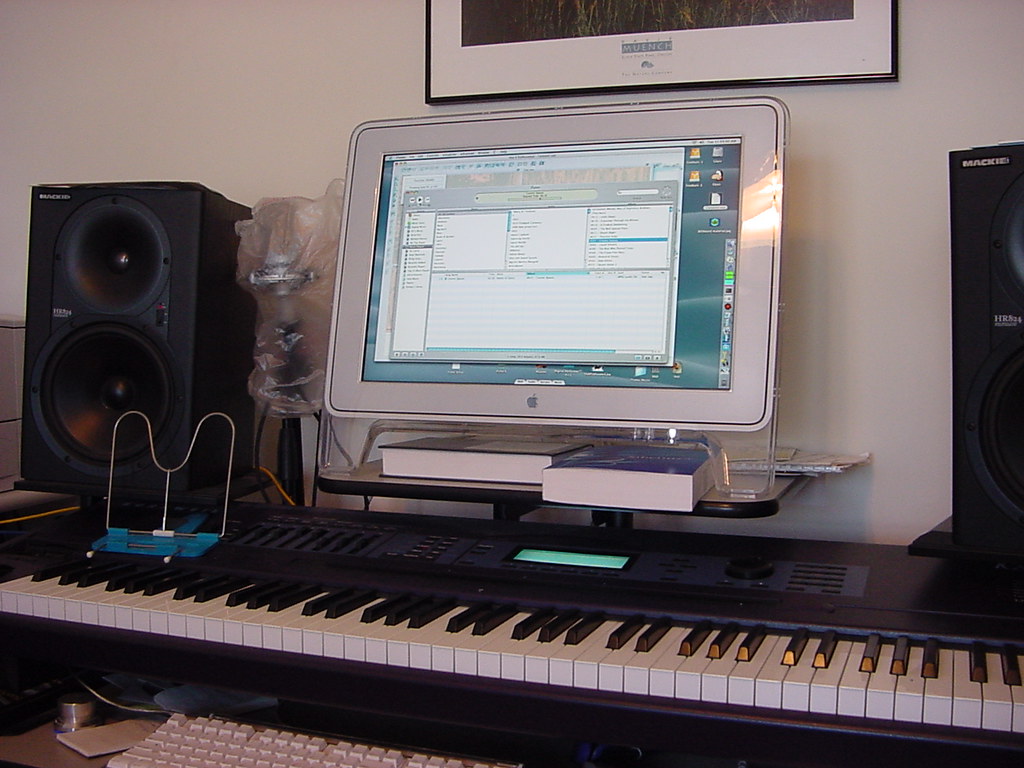
The DIY Movement: A New Era for Musicians
The DIY movement has gained significant momentum over the past few years, empowering artists to take control of their careers. Unlike the traditional model where record labels held all the power, today’s independent musicians can produce, promote, and distribute their music on their terms.
Access to Technology
The technological advancements have played a pivotal role in this movement. Affordable recording software, high-quality microphones, and online distribution platforms have made it feasible for anyone with a passion for music to produce their tracks.
- Recording Software: Tools like GarageBand, Ableton Live, and FL Studio allow artists to create professional-sounding music from the comfort of their homes.
- Social Media: Platforms like TikTok and Instagram have become essential for promotion, enabling musicians to reach audiences without the need for traditional marketing.
- Streaming Services: Platforms such as Bandcamp and SoundCloud allow independent artists to distribute their music globally, bypassing the gatekeepers of the industry.
The Power of Community
Independent musicians have also begun to embrace the concept of community. Collaboration and support among artists have grown, creating a nurturing environment where creativity thrives.
- Collaboration: Many artists are teaming up to create music together, blending different styles and genres.
- Shared Resources: Musicians are pooling their resources for marketing, promotion, and even hosting live performances.
- Fan Engagement: Independent artists often foster a closer relationship with their fans, creating a loyal community that supports their work.
The Changing Landscape of Music Distribution
In 2026, the way music is distributed has undergone a significant transformation. Independent artists are exploring new avenues to reach their audience.
Alternative Revenue Streams
Instead of relying solely on album sales or record deals, many independent musicians are diversifying their income streams.
- Crowdfunding: Platforms like Patreon allow artists to receive direct support from fans, helping them fund their projects.
- Merchandising: Artists are producing unique merchandise that resonates with their audience, providing an additional revenue source.
- Live Streaming: Virtual concerts and live streaming events have become popular, allowing artists to perform for fans worldwide without geographical limitations.
The Importance of Branding
In the crowded music landscape, independent artists are realizing the importance of a strong personal brand. They’re not just selling music; they’re selling an experience.
- Visual Identity: Artists are investing in professional visuals, from album covers to music videos, to create a cohesive brand.
- Storytelling: Connecting with fans through personal narratives enhances the emotional bond and strengthens their brand identity.
Challenges and Opportunities
While the rise of independent artists has created exciting opportunities, it is not without its challenges. The competition is fierce, and standing out in a saturated market can be daunting.
Overcoming Obstacles
Independent artists are constantly adapting and finding innovative solutions to overcome these challenges.
- Marketing Know-How: Many artists are learning marketing skills to effectively promote their music without the backing of a label.
- Networking: Building connections within the industry can open doors and create new opportunities for collaboration and exposure.
Conclusion
The rise of independent artists in 2026 signifies a newfound freedom in the music industry. This DIY culture not only empowers artists but also enriches the music scene as a whole. As technology continues to evolve, so too will the ways in which music is created and consumed. The future looks bright for independent musicians, and their impact on the industry will be felt for years to come.



0 Comments