Introduction to Music Composition
As we navigate through 2026, the landscape of music composition continues to evolve, enticing budding musicians and seasoned professionals alike. Understanding the essentials of composing music can be a transformative experience, unlocking creative potential and allowing emotional expression. In this article, we will delve into various techniques that can elevate your music composition skills.
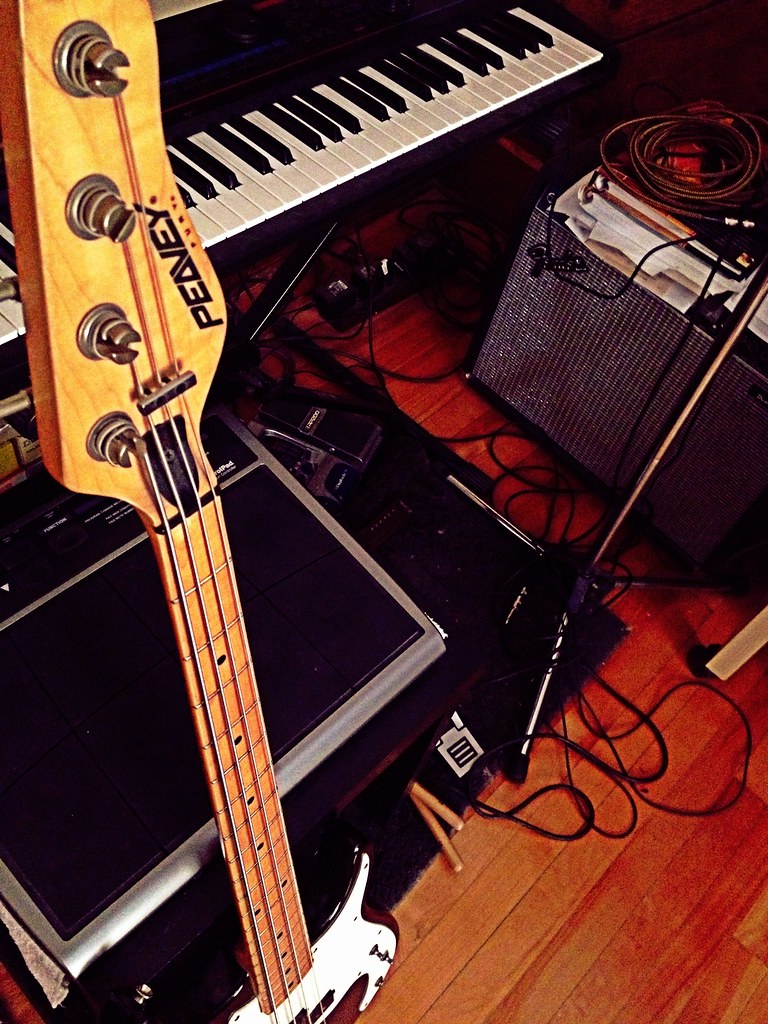
The Basics of Music Composition
Understanding Musical Elements
Before diving into composition techniques, it’s crucial to grasp the fundamental elements of music:
- Melody: The main theme or tune of the piece.
- Harmony: The combination of different musical notes played simultaneously.
- Rhythm: The timing and pattern of sounds in music.
- Texture: How many layers of sound are heard simultaneously.
- Form: The structure of a musical composition.
Setting the Mood with Emotion
Music is a powerful vehicle for expressing emotion. Understanding how to evoke feelings through your compositions is essential:
- Major Keys: Often convey happiness and brightness.
- Minor Keys: Typically express sadness or introspection.
- Tempo: Fast tempos may indicate excitement, while slow tempos can suggest calm or melancholy.
Techniques to Enhance Your Compositions
1. Experiment with Different Scales
Different scales can significantly impact the mood of your music. Experimenting with major and minor scales, as well as modal scales such as Dorian or Lydian, can lead to unique soundscapes.
2. Use Counterpoint
Counterpoint is the technique of juxtaposing two or more melodic lines. This method can add depth and complexity to your compositions. Consider studying works from Baroque composers who excelled in counterpoint.
3. Develop Motivic Ideas
A motif is a short musical idea. By developing and transforming motifs throughout your piece, you can create cohesion and thematic unity. This technique can be particularly effective in longer compositions.
4. Embrace Arpeggios and Chord Progressions
Incorporating arpeggios—playing the notes of a chord in sequence rather than simultaneously—can add movement and interest. Experiment with various chord progressions to find combinations that resonate with your intended emotional outcome.
5. Explore Form and Structure
Understanding different musical forms, such as sonata, rondo, or verse-chorus, can help you organize your ideas effectively. Choosing the right form for your composition is vital in guiding your audience through the journey.
Leveraging Technology in Composition
Integrating Digital Tools
In 2026, technology plays a crucial role in music composition. Here are some tools you can leverage:
- DAWs (Digital Audio Workstations): Software such as Ableton Live or Logic Pro allows you to compose, edit, and produce music seamlessly.
- Notation Software: Programs like Sibelius or MuseScore are excellent for creating sheet music and understanding the theoretical aspects of composition.
- Synthesizers and Virtual Instruments: These tools can expand your sound palette, encouraging experimentation with various tones and textures.
Collaborative Composition
The Power of Collaboration
Collaboration can bring fresh perspectives and innovation to your work. Teaming up with other musicians can foster an environment of creativity, where ideas can flourish:
- Join Online Communities: Platforms such as SoundBetter or Kompoz can connect you with musicians worldwide, opening doors to collaborative projects.
- Attend Workshops: Participating in workshops can help you hone your skills while allowing you to collaborate with others.
Finding Your Unique Voice
Stay Authentic in Your Compositions
Amidst the various techniques and tools, it’s essential to find your unique voice as a composer. Authenticity resonates with listeners and can set you apart in a saturated market.
Incorporate Personal Experiences
Your life experiences can provide a rich source of inspiration. Drawing from personal stories, emotions, and memories can lead to compositions that genuinely reflect who you are.
Conclusion
In 2026, the world of music composition offers endless possibilities for exploration and creativity. By mastering fundamental techniques, embracing technology, and staying true to your authentic self, you can unlock the secrets to compelling music composition. Whether you’re an aspiring musician or a seasoned composer, the journey of creating music is one filled with discovery and inspiration.



0 Comments